Independent heat pump buying guide
We don't sell heat pumps.
We save you from the wrong quote.
Real installed-cost ranges, dated rebate checks, brand tradeoffs, and sizing questions for buyers in Massachusetts, Maine, New York, Connecticut, and California.
Still sorting out heat pump numbers?
Installed costs, rebate caveats, sizing questions, and quote red flags. One short guide, no spam.
Already got a quote? Get a free read on it
Start here
Start with scope. Brand comes later.
Sound familiar?
You have three HVAC quotes, three rebate claims, and no clean way to compare them.
One contractor says you need a 4-ton ducted system. Another says three mini-splits. A third subtracts a rebate that sounds real but may depend on income, utility territory, or funds still being available.
Heat Pump Guide is built around the expensive parts of the decision: sizing, ducts, electrical work, backup heat, installer scope, and dated incentive rules.
The rule-of-thumb size
Square footage can screen a project, but a real quote needs load calculation, design temperature, and room-by-room comfort logic.
The stale rebate
A 2026 quote that subtracts a federal credit or state rebate without a current source should be challenged before you sign.
The hidden scope
Duct repairs, panel work, heat strips, condensate, controls, and permits can move the installed price more than the outdoor unit.
Start here
The buying path, in the right order.
Brand comes after scope. The quote needs to prove the house, the rebate, and the winter design first. The whole path, from first number to signed contract, is in the heat pump buying guide.
Still sorting out heat pump numbers?
Installed costs, rebate caveats, sizing questions, and quote red flags. One short guide, no spam.
Already got a quote? Get a free read on it
Highest intent markets first
Built for markets where buyers are ready to sign.
Massachusetts
Mass Save rebates, whole-home scope, oil/gas replacement, and duct questions.
Maine
Efficiency Maine rebates, cold-climate output, and oil-backup decisions.
New York
NYS Clean Heat, utility territory, and contractor eligibility checks.
Connecticut
Energize CT incentives and replacement/optimization rebate paths.
Brand shortlist
The brands worth comparing, after scope is clear.
We rank brands by buyer fit and quote risk, not brochure claims.
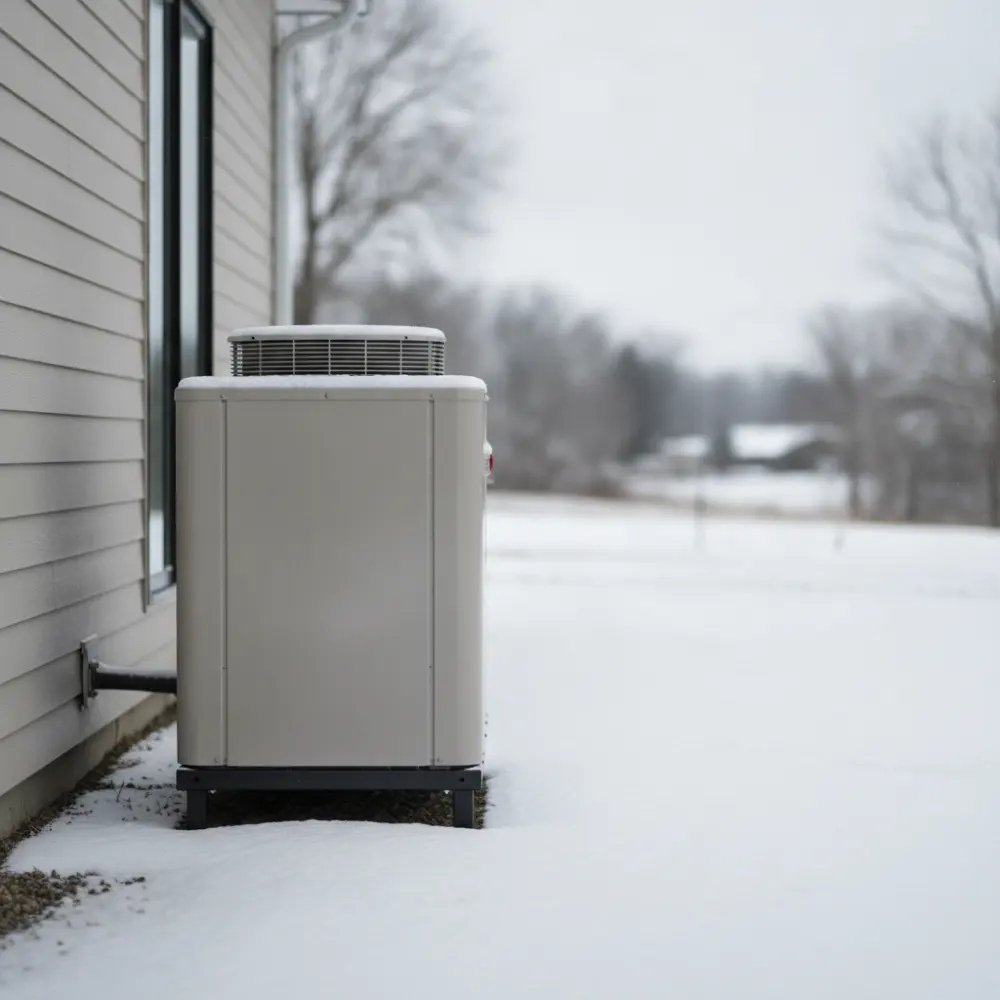
Cold-climate
Mitsubishi Hyper-Heating
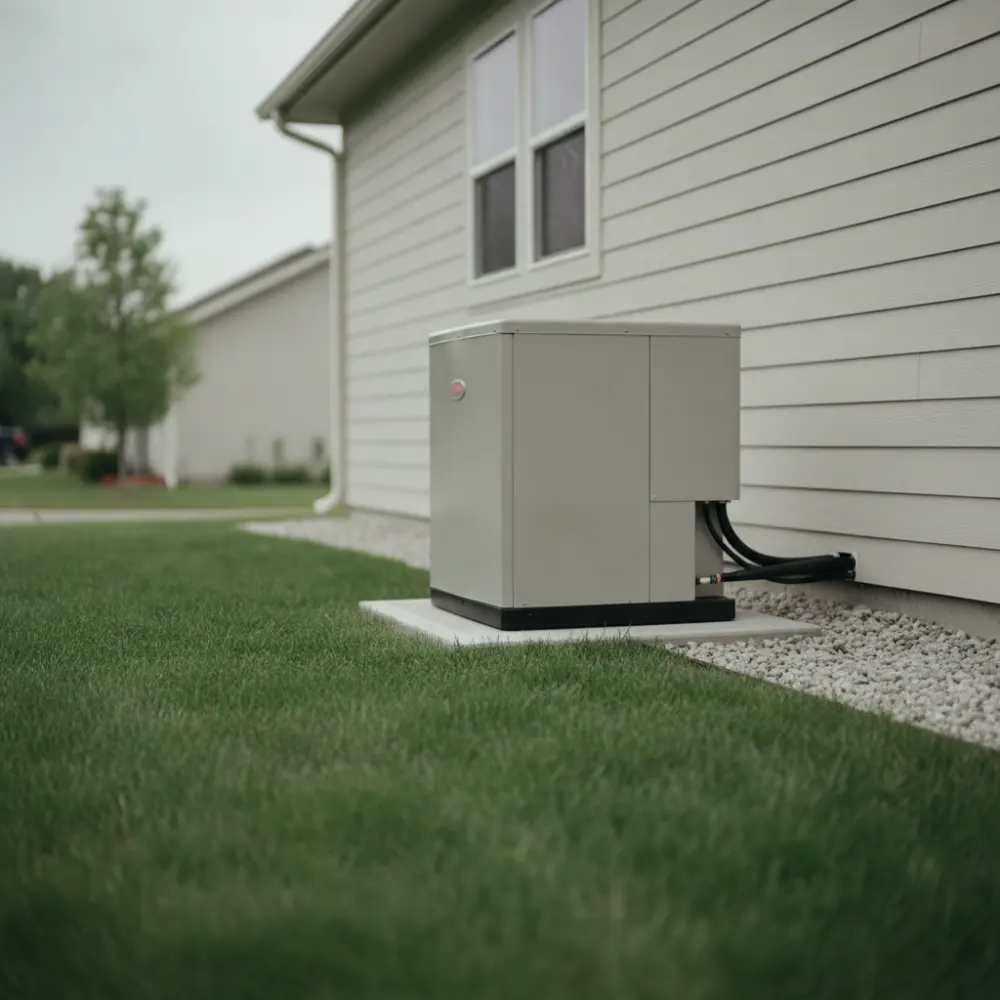
Ducted retrofit
Daikin Fit

Mini-split
Fujitsu XLTH
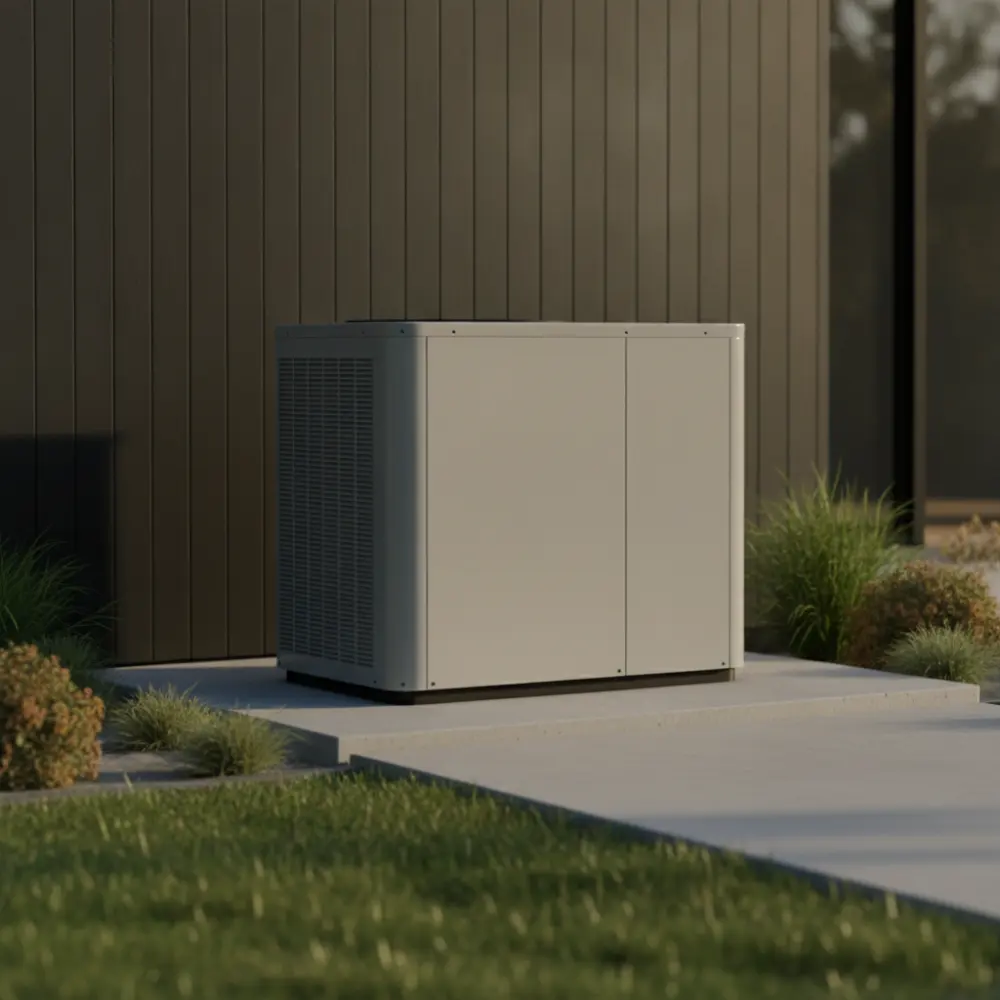
Value-premium
Bosch IDS
Buying for a winter climate? Compare the best cold-climate heat pumps for 2026.
Start where the selling stops.
Send the quote or get the buyer guide. No lead auction, no fake ranking, no installer sales math accepted without dates.
Still sorting out heat pump numbers?
Installed costs, rebate caveats, sizing questions, and quote red flags. One short guide, no spam.
Already got a quote? Get a free read on it
Before you sign
Heat pump questions, answered straight.
- How much does a heat pump cost installed in 2026?
- Most ducted or ductless heat pump projects land between about $8,000 and $25,000 before rebates in 2026, and whole-home cold-climate jobs can run higher. Most of that spread is not the outdoor unit. It is duct work, electrical and panel upgrades, the number of indoor heads, and backup heat, which is why two quotes for the same house can differ by thousands.
- Do heat pumps actually work in cold climates?
- Yes, cold-climate heat pumps run through northern winters, but the quote has to prove it. Look for the rated low-temperature heating capacity at your local design temperature, not just a SEER number or a mild-weather rating, plus a backup heat plan for the coldest days and a room-by-room comfort strategy. Maine and Massachusetts now treat these as mainstream heating systems.
- Is there still a federal tax credit for heat pumps in 2026?
- Treat the old federal 25C heat pump credit as expired for 2026 unless a current primary source says otherwise for your situation. IRS guidance says the Energy Efficient Home Improvement Credit applied to improvements made through December 31, 2025. State and utility rebates such as Mass Save, Efficiency Maine, and NYS Clean Heat may still apply, but confirm eligibility, funding, and dates before you subtract anything from a quote.
- How is a heat pump sized, and why isn’t square footage enough?
- Sizing should start with a Manual J load calculation and your local design temperature, not a rule-of-thumb tons-per-square-foot number. Oversizing causes short cycling, worse comfort, and poor humidity control, while undersizing leaves expensive electric-resistance backup doing too much work. A quote that names a tonnage without a load calculation has not proven the size yet.
- Should I get a ducted heat pump or a ductless mini-split?
- It depends on your existing ducts. Ducted heat pumps keep a central-air feel when the ductwork is in good shape, while ductless mini-splits are often more efficient and better zoned when ducts are weak, leaky, or absent. In many older homes a mixed system, ducted where it works and mini-splits where it does not, is the honest answer, so be cautious of a quote that offers only one approach.
- Is a heat pump better than replacing a gas furnace and AC?
- Compare total scope, not just equipment price. One heat pump replaces both heating and cooling, so weigh delivered heat cost at your electricity and gas rates, the value of the AC you would replace anyway, duct condition, backup heat, and any panel work. A gas-furnace-plus-AC quote can look cheaper mainly because it skips work the heat pump quote includes.