Sizing first. Brand second.
Check the quote before you sign.
Send the model numbers, scope, rebate assumptions, and backup heat plan. We'll weigh Mitsubishi Electric Hyper-Heating against what the house actually needs.
- ✓ Free
- ✓ No contractor lead auction
- ✓ Reply in ~2 days
Product range
Our Mitsubishi Electric Hyper-Heating review
Mitsubishi is the brand many serious cold-climate buyers use as the comparison point. The quote risk is not usually whether the equipment is capable, but whether the installer sized indoor heads, outdoor capacity, backup heat, and electrical work around the house instead of around a rebate form.
Massachusetts installers publish real numbers for this brand, which is rare. Endless Energy (January 2026) lists Mitsubishi single-zone ductless at $6,800 to $14,000 installed, 2 to 3 zone multi-zone systems at $11,000 to $18,000, and whole-home ducted swap-outs at $16,000 to $26,000, roughly 10 to 30 percent above competing brands. NETR, a Boston-area Diamond Contractor, says a single zone starts at $8,500 turnkey and budgets $8,000 to $10,000 per zone. The spread is driven by zone count, line-set routing in older housing stock, dedicated 240V electrical work ($200 to $1,000 per NETR) plus any panel upgrade, and commissioning. These are Massachusetts figures; expect somewhat lower pricing in less constrained markets. Mass Save still offers state-program rebates in 2026, but the federal 25C heat pump credit expired for property placed in service after December 31, 2025. Confirm every current program term before signing rather than taking the quote's word for it.
goendlessenergy.com - Verified July 2026
Before you buy Mitsubishi Electric Hyper-Heating
Mitsubishi vs Bosch
Compare distribution, cold-weather output, warranty, service path, and installed scope.
Daikin vs Mitsubishi
Compare system type, cold-weather output, controls, contractor depth, and labor warranty.
Cold-climate heat pumps
What output, backup heat, and design temperature mean in New England and upstate markets.
How to read a heat pump quote
The fastest way to spot missing load design, vague labor scope, and model-number fog.
From Mitsubishi Electric Hyper-Heating
Official product and installation imagery scraped from the brand's own pages and stored locally for reliability.
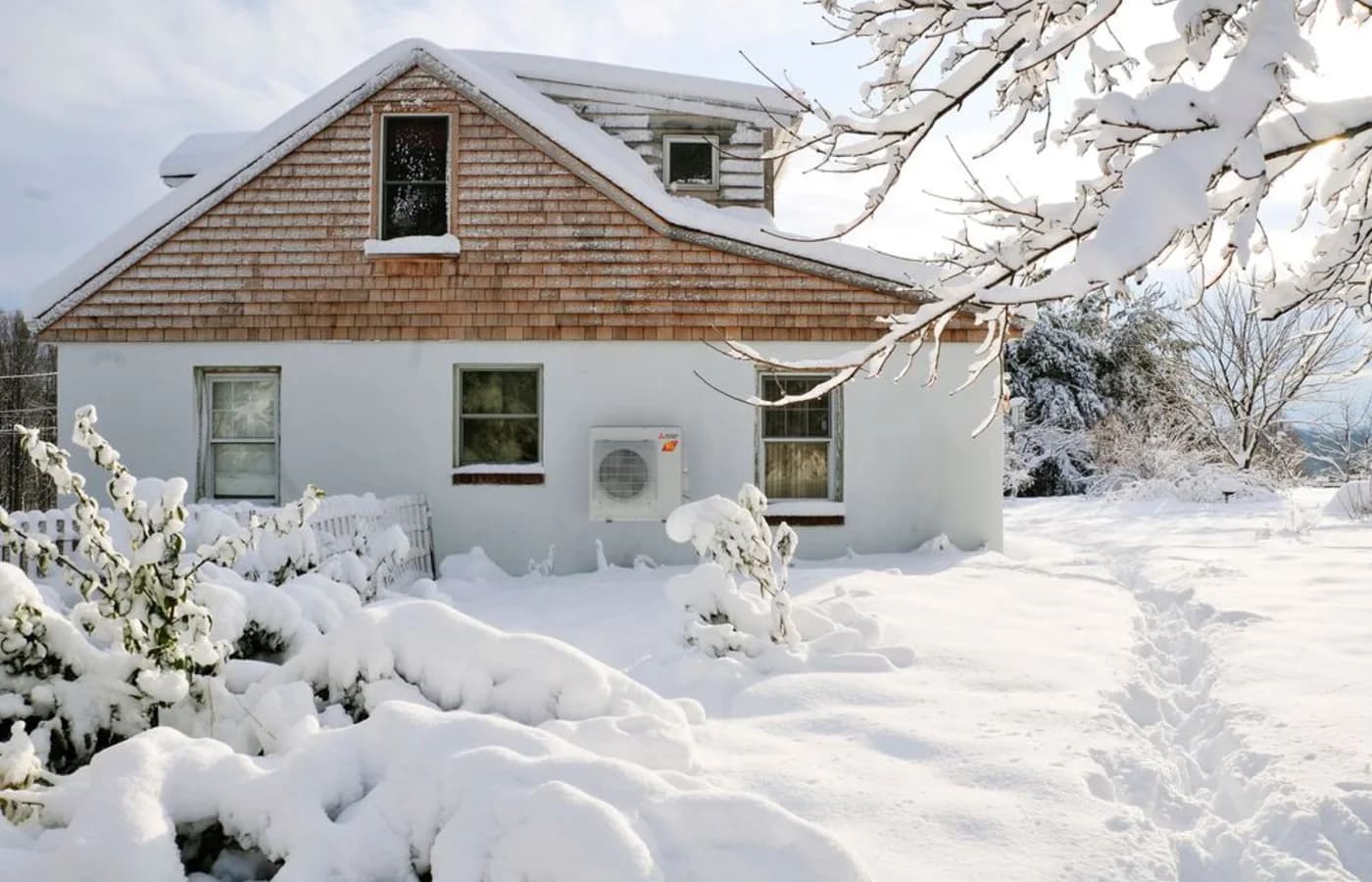

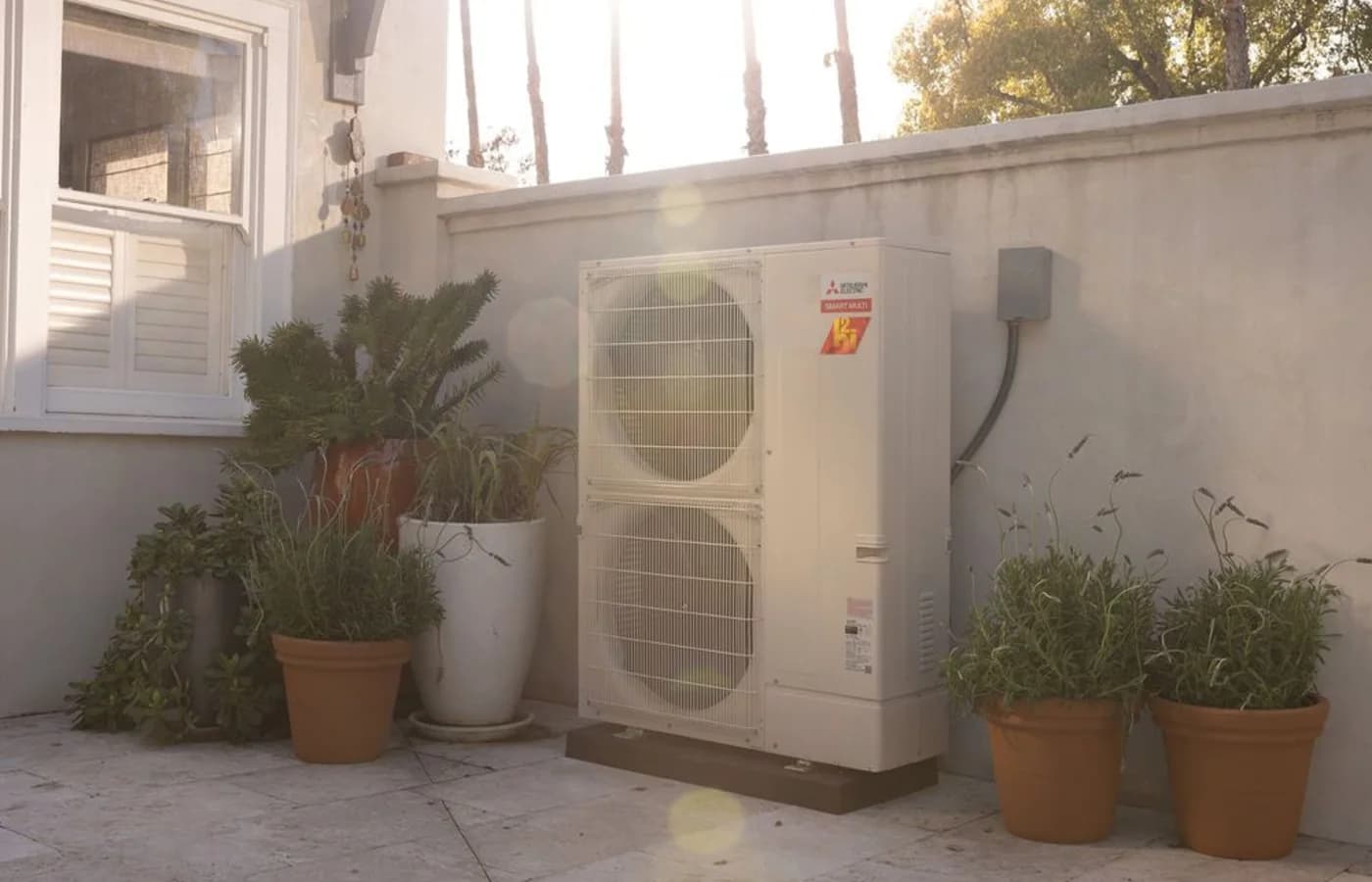
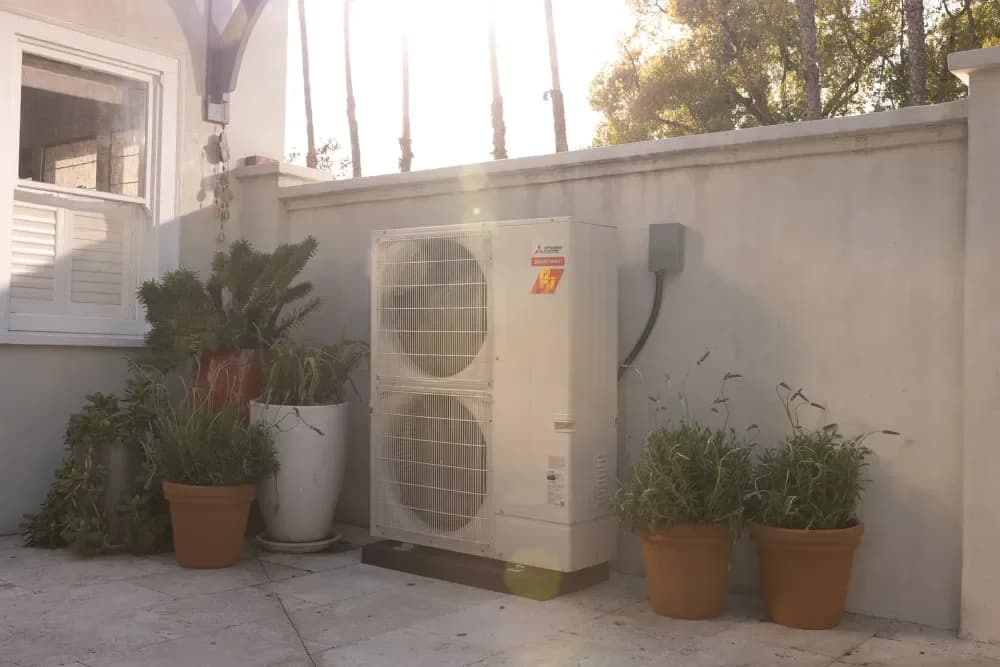
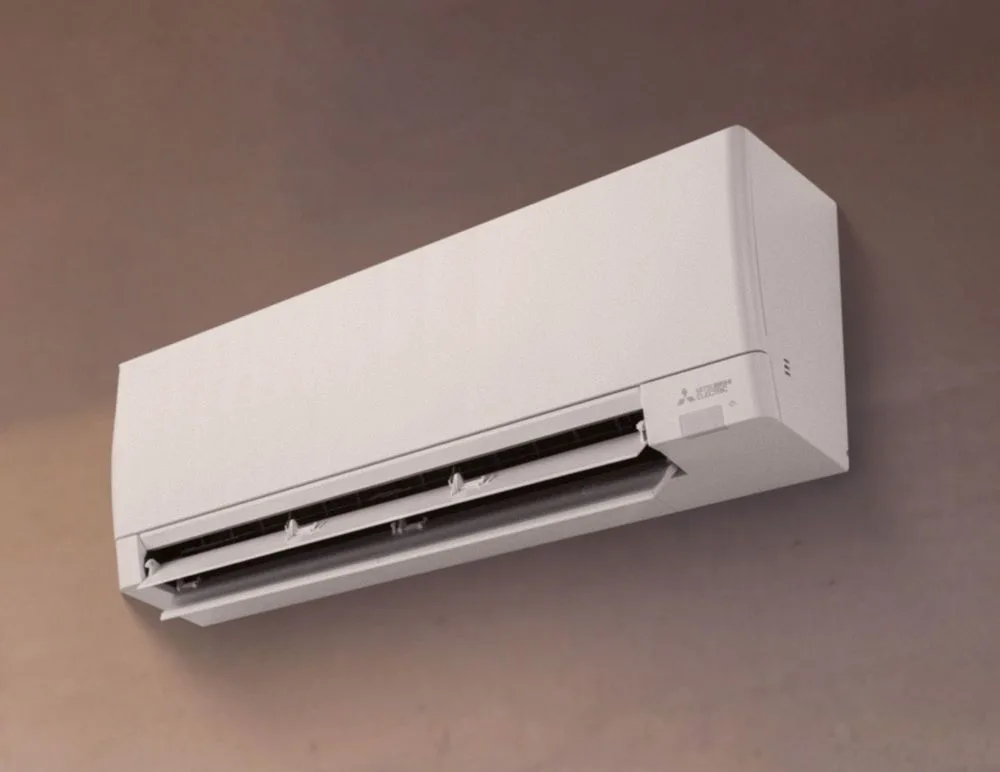
Images attributed in the local source ledger and on each profile.
Key models
Make the quote name the exact outdoor and indoor model numbers. Model-number fog is how the wrong equipment ends up on your house.
H2i outdoor unit heating down to -13F, pairs wall or ducted indoor units
Hyper-Heating version of the 20,000 to 42,000 BTU/h MXZ-D outdoor family
premium single-zone wall series; 12k pair retails at 26.3 SEER
2-ton ducted H2i pair, 18.6 SEER2, R-454B (retail listing)
1.5-ton ducted H2i pair, 16.2 SEER2, R-454B (retail listing)
Strengths and considerations
Strengths
- +Cold-climate benchmark in Northeast installer quotes
- +Broad ductless, ducted, floor, wall, and cassette indoor-unit portfolio
- +Deep contractor familiarity in Mass Save, Maine, New York, and Connecticut markets
- +Strong official rebate and product-documentation ecosystem
Watch out for
- -Premium pricing can be real
- -Multi-zone comfort depends heavily on head placement and load design
- -Labor warranty and service response vary by local contractor
- -Oversized wall-head proposals can still underperform in chopped-up houses
Quote risks
These are the issues to resolve in writing before you compare Mitsubishi Electric Hyper-Heating against another quote.
- A serious Mitsubishi quote should show Manual J or room-by-room load logic, not just tonnage picked from existing equipment.
- Ask for low-temperature output at local design temperature for each outdoor unit, especially if oil/propane backup is being removed.
- Push back if the design uses large wall heads in every bedroom without explaining airflow, noise, and setback behavior.
Before you sign: confirm these
These come from Mitsubishi Electric Hyper-Heating's own documented terms and open questions, not our test results. Get the answers in writing from the licensed contractor before you sign.
- ?Warranty years hinge on who installs. 12-year parts and compressor requires a Diamond Contractor install registered within 90 days; a non-Diamond licensed install registered on time gets 10/10, and unregistered systems drop to 5-year parts / 7-year compressor. Get the contractor's Diamond status in writing.
- ?Mitsubishi's 2025-onward residential equipment is moving to R-454B refrigerant. Ask whether the quoted model is current R-454B stock or leftover R-410A, and what that means for future service parts and refrigerant pricing.
- ?Dedicated 240V circuits run $200 to $1,000 in published Boston pricing and panel upgrades are extra. Have the electrical scope itemized as its own line instead of folded into 'installation'.
- ?Rebate math shapes quotes in Mass Save territory. Get the assumed rebate amount, who files the paperwork, and what happens to your price if the rebate is denied, all in writing before you sign.
Support and warranty
Standard coverage is 5-year parts and 7-year compressor. Registering within 90 days of installation lifts it to 10 years parts and compressor with any licensed contractor, and to 12/12 when a Mitsubishi Diamond Contractor installs and registers the system. Labor coverage is always the installer's separate promise, so the brand warranty tier is effectively chosen when you pick the contractor.
Warranty checklist: Confirm registered equipment warranty, Diamond Contractor status, labor warranty, and whether Internet-sales limitations apply
Alternatives to compare
Fujitsu Halcyon XLTH
A serious cold-climate shortlist brand when local installer support is strong.
Daikin FIT
Worth shortlisting for a ducted inverter retrofit when the contractor proves the ducts, exact FIT tier, controls, and local service path.
LG RED
Worth a shortlist when the installer has real LG HVAC depth, not just access to boxes.
Comparing a few quotes?
Tell us what Mitsubishi Electric Hyper-Heatingis being quoted with. We'll check whether the design, scope, and price line up before you commit.
FAQ
Is Mitsubishi Electric Hyper-Heating worth it in 2026?
Mitsubishi is the brand many serious cold-climate buyers use as the comparison point. The quote risk is not usually whether the equipment is capable, but whether the installer sized indoor heads, outdoor capacity, backup heat, and electrical work around the house instead of around a rebate form.
How much does Mitsubishi Electric Hyper-Heating cost installed?
Installed Mitsubishi Electric Hyper-Heating systems typically run $6,800 to $26,000, based on goendlessenergy.com as of July 2026. Massachusetts installers publish real numbers for this brand, which is rare. Endless Energy (January 2026) lists Mitsubishi single-zone ductless at $6,800 to $14,000 installed, 2 to 3 zone multi-zone systems at $11,000 to $18,000, and whole-home ducted swap-outs at $16,000 to $26,000, roughly 10 to 30 percent above competing brands. NETR, a Boston-area Diamond Contractor, says a single zone starts at $8,500 turnkey and budgets $8,000 to $10,000 per zone. The spread is driven by zone count, line-set routing in older housing stock, dedicated 240V electrical work ($200 to $1,000 per NETR) plus any panel upgrade, and commissioning. These are Massachusetts figures; expect somewhat lower pricing in less constrained markets. Mass Save still offers state-program rebates in 2026, but the federal 25C heat pump credit expired for property placed in service after December 31, 2025. Confirm every current program term before signing rather than taking the quote's word for it.
Who is Mitsubishi Electric Hyper-Heating best for?
Oil, propane, or electric-resistance homes in cold markets where low-temperature output and installer depth matter.
What should buyers watch out for with Mitsubishi Electric Hyper-Heating?
A serious Mitsubishi quote should show Manual J or room-by-room load logic, not just tonnage picked from existing equipment. Warranty years hinge on who installs. 12-year parts and compressor requires a Diamond Contractor install registered within 90 days; a non-Diamond licensed install registered on time gets 10/10, and unregistered systems drop to 5-year parts / 7-year compressor. Get the contractor's Diamond status in writing.
What brands should you compare against Mitsubishi Electric Hyper-Heating?
Most buyers should compare Mitsubishi Electric Hyper-Heating with Fujitsu Halcyon XLTH, Daikin FIT and LG RED before signing. That gives you a better read on equipment tier, installer design quality, and quote pressure.
How strong is Mitsubishi Electric Hyper-Heating on warranty and support?
Standard coverage is 5-year parts and 7-year compressor. Registering within 90 days of installation lifts it to 10 years parts and compressor with any licensed contractor, and to 12/12 when a Mitsubishi Diamond Contractor installs and registers the system. Labor coverage is always the installer's separate promise, so the brand warranty tier is effectively chosen when you pick the contractor.
Sources (5) - Verified Jul 12, 2026v
Learn more
Methodology
Brand verdicts are based on buyer fit, usable capacity, output, installer depth, support path, price pressure, and the risks that tend to show up after installation. A strong reply from a manufacturer can improve factual clarity, but it does not improve placement.
If support coverage, warranty language, or dealer access are thin, we would rather say that plainly than hide it behind marketing copy.
Getting a quote with Mitsubishi Electric Hyper-Heating?
Send it before you sign. We check model numbers, installed scope, rebates, backup heat, warranty language, and what to push back on.
Free. No sales pitch. Personal reply in ~2 business days.
Still researching? Send me the guide